We Care About Your Privacy
By clicking “Accept all”, you agree to the storing of cookies on your device to enhance site navigation, analyze site usage, and assist in our marketing efforts. View our Privacy Policy.

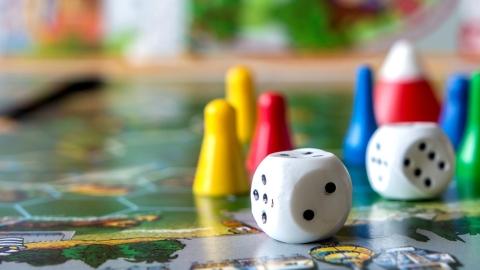
Games are one of the most effective ways to support both SEND and EAL learners because they reduce anxiety, increase engagement, and make language learning fun! Structured games also offer additional benefits for SEND learners by encouraging attention, turn-taking, and understanding routines. Visual rules, simple instructions, and predictable formats also help reduce cognitive load whilst keeping learning active and inclusive.
Tip or Idea: Games don’t have to just be played at desks. Think about ways to allow learners to be active, too! Try using outdoor areas like the school field; use a ball to throw and catch when taking turns speaking; or try placing words and picture cards around the room for learners to find and match.
Learning Village resource: Games are not just for younger learners. Our resource Group Games using Multiple Learning Styles includes fun ideas such as Agent ALFA. In this game, learners work in teams to solve a mystery by collecting and decoding clues that help them identify the undercover double agent (Agent ALFA).


Hygiene is not only an essential topic for all learners, but one that can be made practical, visual, and repetitive, too - which is great for learners with additional needs. Teaching hygiene isn’t just a health topic; it builds essential life skills. When young people learn routines like washing hands and brushing teeth, they are developing independence, self-care, and personal responsibility as they move towards independent adulthood.
Learners, with or without EAL, may have special educational needs. These needs often require a range of carefully selected strategies and approaches to help learners reach their full potential.
We all learn in different ways. Helping your students to identify what works best for them is really important. Do they prefer visual aids, make links with existing learning or use movement and actions to help them remember things? Identifying their own personal preferences and effective practices will benefit lifelong learning and help your students to succeed.


Blended vocabulary, language structure and reading programme for EAL and multilingual learners
Once you have registered for your free trial we will be in touch to get you started on the first step of your Learning Village Journey.