We Care About Your Privacy
By clicking “Accept all”, you agree to the storing of cookies on your device to enhance site navigation, analyze site usage, and assist in our marketing efforts. View our Privacy Policy.

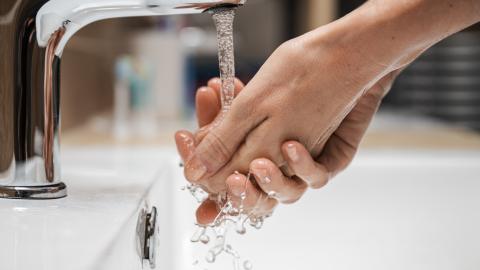
Hygiene is not only an essential topic for all learners, but one that can be made practical, visual, and repetitive, too - which is great for learners with additional needs. Teaching hygiene isn’t just a health topic; it builds essential life skills. When young people learn routines like washing hands and brushing teeth, they are developing independence, self-care, and personal responsibility as they move towards independent adulthood.
Tip or Idea: Introduce core words such as soap, clean, and germs and then move to structured sentence stems like “I was my hands”. This supports language development, comprehension, and confidence whilst keeping instructions clear and accessible for all learners. Actions, chants, and routine visuals help to keep learning lively, memorable, and accessible.
Learning Village resource: Our Hygiene resource offers a wide range of activities to support your learners. Why not print the handwashing visual and display it by your sinks as a regular reminder?


Every learner is unique! This includes your SEND learners. Sometimes you need to create a bespoke resource to support their individual needs.
Tip or Idea: Using multimodal resources can provide a multi-layered approach to learning, removing barriers for learners and creating a fun, engaging learning environment.
How societies, schools, and families view and support learners with SEND is often shaped by cultural beliefs, values, and traditions. It is important to consider the families you work with and be aware of potential differences. Respecting values, adapting approaches, and using inclusive language can help to achieve strong partnerships between school and home. Terms like special needs or disability may not always translate directly across languages, so discussing strengths and differences may be a more helpful approach.
As well as being interesting and engaging, non-fiction texts help to develop learners’ academic vocabulary and support learning across the curriculum. Learners can use non-fiction texts to develop knowledge, retrieval, and comprehension skills, and this can be developed even further with higher level skills such as analysis and evaluation. Learners with SEND may find the bite-sized facts, clear sections and subheadings, and accompanying diagrams or illustrations in non-fiction texts less overwhelming than a longer narrative text.


Blended vocabulary, language structure and reading programme for EAL and multilingual learners
Once you have registered for your free trial we will be in touch to get you started on the first step of your Learning Village Journey.