We Care About Your Privacy
By clicking “Accept all”, you agree to the storing of cookies on your device to enhance site navigation, analyze site usage, and assist in our marketing efforts. View our Privacy Policy.

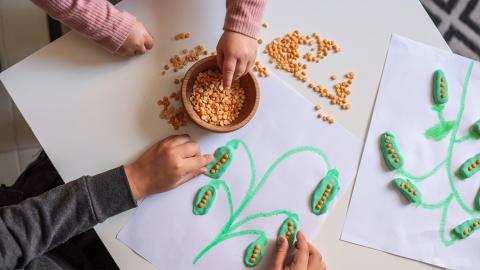
Kinaesthetic learning - or ‘learning by doing’ - involves physical and hands-on activities. Learners may prefer to touch, feel, and experience things first hand, and thrive on movement, exploration, and interaction with the world around them. For many learners, including those with certain SEND needs such as autism and ADHD, this approach is engaging, motivating, and effective in supporting learning retention and understanding.
Tip or Idea: Consider different ways to engage kinaesthetic learners when planning your lessons. Build in short movement breaks; provide real-life objects that learners can see, touch, and manipulate; use technology tools that offer interactive learning experiences; or include simple games such as throw and catch during quick-fire question and answer sessions.
Learning Village resource: Our Kinaesthetic Learning: Tips and ideas for the classroom printable resource provides a quick reference guide with a range of activities to try.


Learners may have difficulties expressing their own ideas, thoughts and feelings.
Tip or Idea: Name the emotions. Use puppets, flashcards or simply hide and uncover your own face. Who can be first to name the emotion? Extend by giving a reason why e.g. He is happy because…
Learning Village resource: Feelings Snakes & Ladders game - land on a picture. Describe it and move forward 1 space! (I am happy when…/I am sad when…/I am shocked when…)
Learners with speech and language difficulties may find it difficult to remember words or think or the word they want to use when they are talking.
Tip or Idea: Think of a category such as ‘animals’ or ‘things in a kitchen’ and then see how many words you can name. Each time you think of a word place a Lego piece on top of another and see how tall a tower you can build!
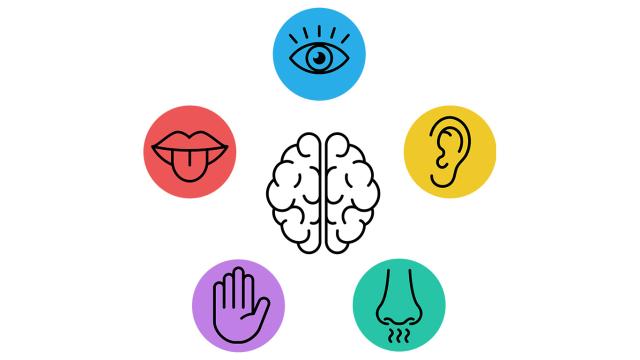
Sensory needs (considering lighting, noise, textures, smells etc.) are now being seen as a central part of school design. It is widely recognised that overwhelming environments can block learning or trigger distress. Each learning environment presents its own opportunities and challenges to reducing sensory overload. Luckily, there are lots of small changes that can make a big difference to your learners!